
10 Christmas plants to add color to the holiday season!
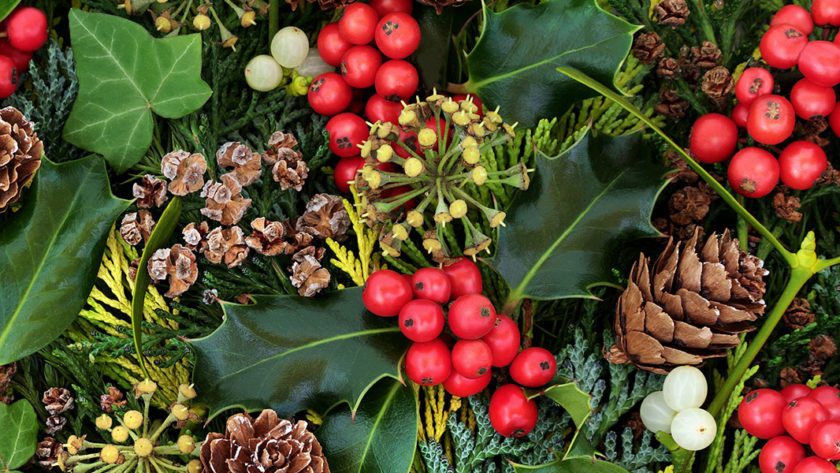
The holiday season brings with it a multitude of decorations
and special displays, including lights and flowers, designed to create an
atmosphere that immerses us in the magic of Christmas. Some people start
thinking about their decorations very early, often choosing a theme based on
colors, while others wait until the last minute and improvise with whatever
they find around them.
Moreover, besides indoor plants, the garden can also be
transformed into a breeding ground for emblematic Christmas plants: let's
discover 10 Christmas plants, indoor or outdoor, perfect for adding color to
the holiday season.
1 - Amaryllis
Amaryllis ( Hippeastrum ) is one of the most sought-after
indoor bulbous plants during the holiday season, as it can be quite impressive
with its large, colorful, trumpet-shaped flowers, which stand at the top of
very stiff stems, up to 60 or even 90cm in height.

To have amaryllis in bloom at Christmas , it's best to plan
ahead and plant the bulb in the fall. Those most popular, especially for the
Christmas season, are those with intense velvety red flowers and yellow stamen
tips. And above all, don't throw away the bulb after the holidays; it can bloom
again after a period of dormancy.
2 - Christmas Cactus
The Christmas cactus ( Schlumbergera ) , also known as the
Thanksgiving cactus, is a classic houseplant and belongs to the cactus family
(Cactaceae). With its trailing habit, it develops stems composed of a series of
flat, thick, fleshy, dark green leaves, some with small teeth along the edges.
There are so many hybrids that variations are possible.

This cactus blooms at the end of the stems during the holiday
season: its flowers are made up of many colorful petals, in shades of red,
pink, white or coral.
Slow-growing, the Christmas cactus is easy to care for if it
receives very good light and sufficient watering: it should not be left to dry
out...
3 - Calamondin
The calamondin ( Citrus madurensis ) is the only citrus
species that can be grown indoors, which explains why it is also called the
apartment orange, since it tolerates the dry air of our homes, especially in
winter when the heating is on.

Its small oranges, ripening during the Christmas
festivities, are a nod to the oranges once given to children as their sole
Christmas gift. They also create a magnificent, warm-toned decoration in the
heart of winter.
4 - Cyclamen
The Persian cyclamen ( Cyclamen persicum ) , also known as
the florist's cyclamen, is perfect for winter, with its heart-shaped, mottled
green leaves and butterfly-shaped flowers in white, red, pink, or purple that
bloom approximately between November and March. It is not very hardy (down to
-2°C), so it is best kept indoors in a cool room, avoiding overly warm or dry
air, which it dislikes.

When watering, avoid overwatering, as this could cause it to
rot. Soak it in water, then let it drain before placing it back on its saucer.
5 - Hornet
Butcher 's broom ( Ruscus aculeatus ) , also known as
hornet's broom, small holly, or wasp holly, has everything it takes to blend
perfectly into winter Christmas decorations. It boasts glossy, prickly dark
green foliage adorned with bright red berries that immediately evoke
traditional holly.

Butcher's broom tolerates the cold very well and grows
naturally outside in winter, although it also thrives in our heated interiors
when incorporated into Christmas decorations such as bouquets, wreaths or
centerpieces, combining fir branches, pine cones, eucalyptus or other winter
flowers.
6 - Mistletoe
Mistletoe ( Viscum album ) is one of the essential plants
for the holiday season, as tradition dictates that we kiss under a ball of
mistletoe on New Year's Eve so that luck will follow us in the coming year.

With its perfectly round shape, the mistletoe ball, adorned
with its small milky white fruits, has real decorative appeal: simply hang it
with a pretty red or gold ribbon for an immediate festive effect.
The trickiest part might be gathering this ball of mistletoe,
because transforming into a climbing druid is not something you can just
improvise… Panoramix can attest to that!
7 - Hellebore
The Christmas rose ( Helleborus niger ) , as its name
suggests, is a perfect addition to the holiday season! In the garden, it often
blooms almost alone, sometimes even amidst the snow, bringing a touch of cheer,
especially appreciated at Christmas. Some people grow it in pots on a balcony
or terrace to enjoy it indoors.

With its white, pink, green or purple flowers, you will
choose the ones you like, and you can pick some of its flowers to incorporate
into a composition intended to decorate your table or your interior during the
New Year's Eve celebration.
8 - Holly
Holly ( Ilex aquifolium ) truly belongs to the symbolism of
Christmas with its glossy, dark green, evergreen leaves, deeply lobed at the
edges to form slightly prickly points, and adorned with bright red berries,
emblematic of this winter season. Preserving itself very well, even in heated
homes, it is ideal for creating Christmas plant arrangements, to which it adds
structure, volume, and depth.

Slow-growing, they are unfortunately not often planted in
our gardens, even though they adapt to many situations and thrive in partial
shade in cool soil that isn't always easy to establish. A Christmas must-have
to pick in the woods if you don't have any in your garden!
9 - Christmas Hyacinth
Getting a hyacinth to bloom for Christmas isn't something
you can do at the last minute; you need to plan ahead and use bulb forcing.
This involves subjecting the bulbs to cold and darkness for several weeks to
trick them into thinking it's winter. Then, moving them to a warmer spot will
deceive them into thinking it's spring, and they'll start to bloom.

Isn't decorating your home with spring flowers like
hyacinths, just as winter has begun with the traditional end-of-year
festivities, delightful?! Pink, white, blue, or red flowers will bring as much
freshness as fragrance to your interior.
10 - Poinsettia
Does the poinsettia ( Euphorbia pulcherrima ) even need an
introduction? It's the quintessential Christmas plant: its large red bracts
adorn potted plants indoors, as well as floral arrangements, centerpieces, and
even artificially reproduced to create the illusion. Some people even go so far
as to flock its bracts with artificial snow or gold paint! The Christmas star,
as this plant is known, certainly lives up to its name.

Give it plenty of light in a room that isn't overheated, and
it will reward you with its colorful bracts. Be careful not to put it outside;
a cold night will kill it instantly. But you can keep it from year to year to
enjoy its ornamental beauty again the following Christmas, provided you allow
it a dormant period after the holidays… A bit like us, really!



0 Comments